

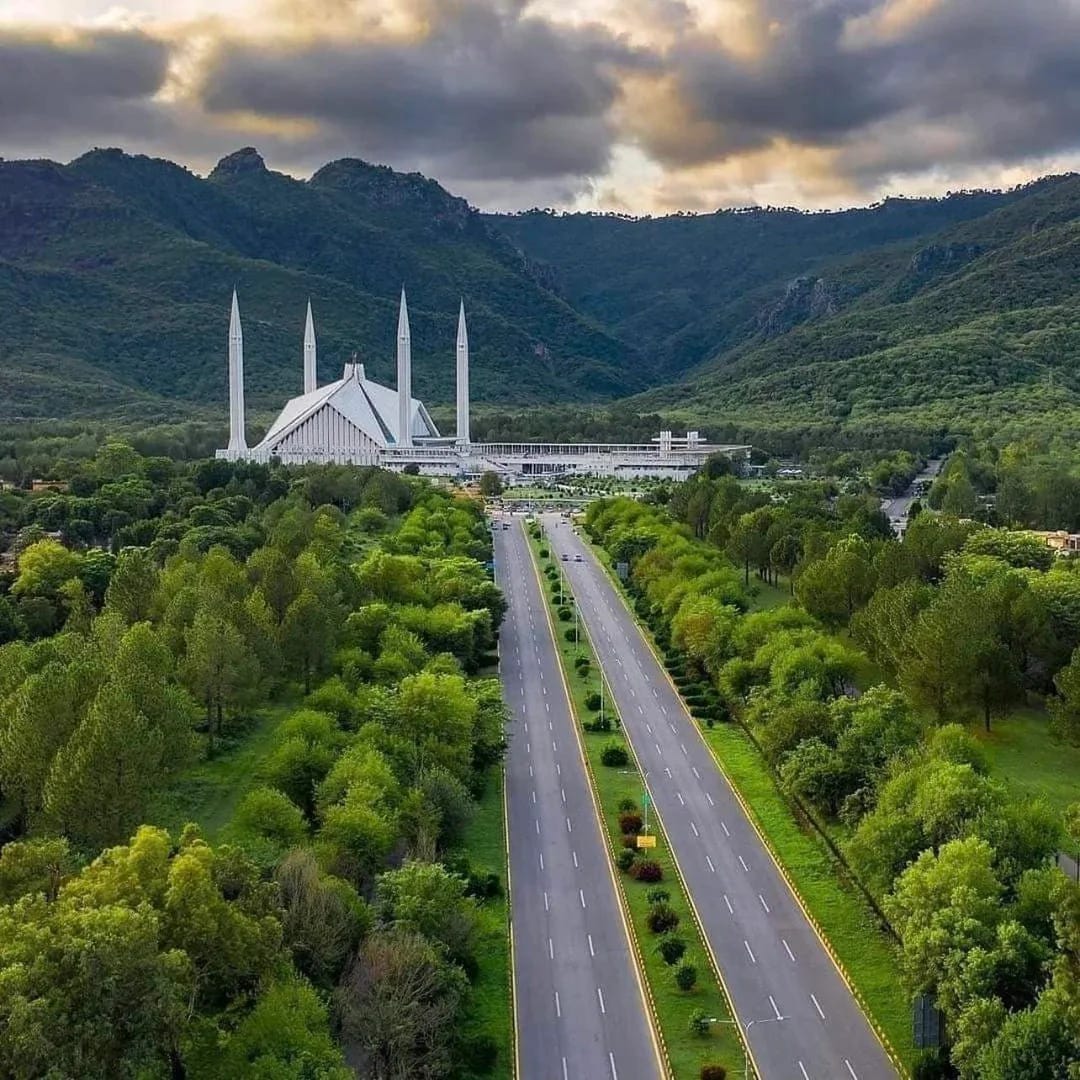
Last week, I went viral in Pakistan. Very viral. I went so viral in fact that my follow-up tweet about the experience, which I posted several days later, also went semi-viral. It was all so immense, and prompted so many interactions with so many people of different political affiliations and beliefs, both celebrity and civilian, that it has inspired a new curiosity about the country. Most remarkable were all the invitations I received to have meals in people’s homes, a kindness I won’t forget.
The occasion was peace talks between the United States and Iran in Islamabad, Pakistan’s unexpectedly lush capital. If you can recall all the way back to two weeks ago–practically the Pleistocene era in internet time–many people were worried that Trump was about to use a nuclear weapon on Iran. It started when the American president wrote that “a whole civilization will die tonight” on TruthSocial. JD Vance then hinted that the US “had tools” that it hadn’t used yet, but could. In a major story run that same day, a London-based Iranian diaspora journalist named Ghocheh Habibiazad quoted an “anonymous Iranian” in Iran who had allegedly expressed support for Trump’s use of a nuclear bomb on their own country. After questions arose about the authenticity of the quote, the BBC quietly removed it from the story without explanation. But the damage was already done. The BBC’s original inclusion of the idea suggested to some that consent was being manufactured for the utilization of a tactical nuclear bomb. Then, public figures like Tucker Carlson issued statements urging people within the US chain of command to disobey orders should they be instructed to prepare for the use of the bomb. Just as the week’s atomic anxieties and fears of uncontrolled escalation reached a fevered pitch, a two-week ceasefire was announced.
Pakistan, it would turn out, was the country that played the biggest role in brokering that ceasefire. Other countries played major supporting roles, particularly Turkey, Saudi Arabia, and Egypt. Meanwhile, Europe was remarkable only for its complete absence in the mediation efforts.
It wasn’t the first time this particular group of countries–Pakistan, Turkey, Saudi Arabia, and Egypt–had come together in recent weeks. Indeed, there was ample diplomatic “buzz” that the quartet could evolve into a more formal bloc of some kind. I was asked by my editors at UnHerd to evaluate the group and whether its emergence reflected broader trends. The piece ended up being a joy to report and to write. I got to speak with Chas Freeman, a former US ambassador to Saudi Arabia who also served as Nixon’s interpreter during his historic 1972 visit to China–coincidentally, the last time that Pakistan scored such an enormous diplomatic victory. Ahead of Nixon’s visit that year, it was Pakistan that facilitated communication between the United States and China.