

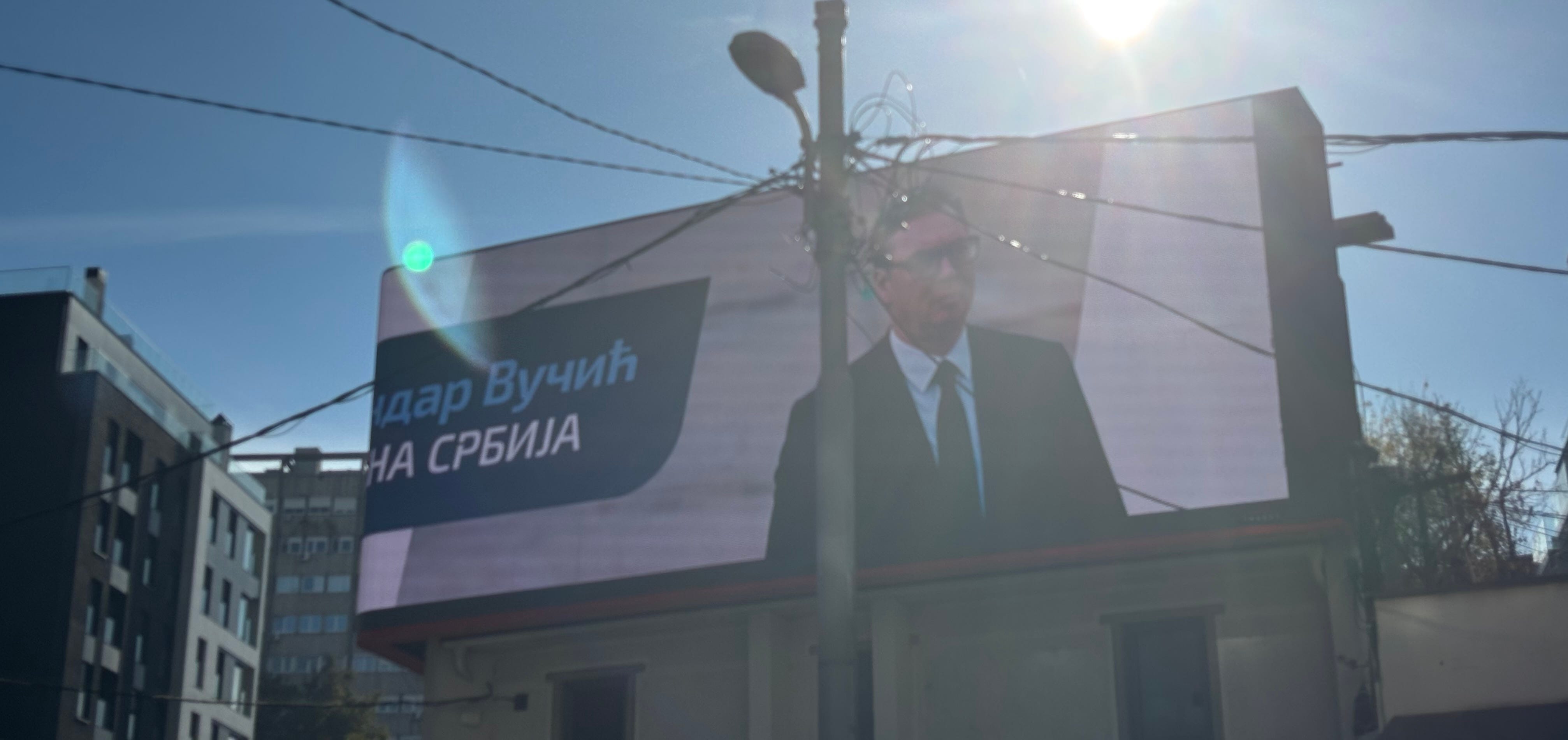
I’m in Belgrade for tomorrow’s elections, and have decided to keep an election blog of sorts, with various ephemera I encounter over the next few days. I’m not sure how often I’ll be able to update, as I am also covering this historic vote for publication elsewhere, so will be extremely busy. However, I will try to update at least a few times, so do check back in periodically. This first part is open for all to read. However, I’ll probably put whatever comes next behind a paywall, so consider becoming a subscriber today for $5. You’ll get on-the-ground updates: Tomorrow I’ll be at Student List headquarters, as well as at the headquarters of CRTA, the Center for Research, Transparency and Accountability, which has done the best independent polling for this election. I will also be talking to voters and election monitors throughout the day.
My first impression from being in Serbia after a long time away: I am struck by the seriousness of the opposition, something that was only partially evident to me from afar. Last time I posted about the Serbian elections here, readers will know that I was a little doubtful. I knew that this was the most important election since 2012, the vote that brought Vučić’s ruling Serbian Progressive Party (SNS) to power (I was in Belgrade for that historic event, and my recollections of that very strange day will come later). But I don’t think I quite appreciated how sophisticated and disciplined Vučić’s main challenger, the Studentska Lista (SL), had been, or how much they’d found ways to maneuver creatively in a hostile political and media environment. In other words, Vučić finally has a formidable opponent, and his reign could be over. If that’s the case, then it has implications far beyond Serbia. If SL wins tomorrow, their organization and strategy will be studied for decades to come, and could be emulated by other “Gen Z” protests around the world, from Albania to India.
Everyone is jittery, as the stakes could not be higher. Asked what will happen tomorrow night after the results are read, one football fan and Vučić critic told me, “I’ll either be rioting or partying–there is no third scenario.”
The Latest Polling
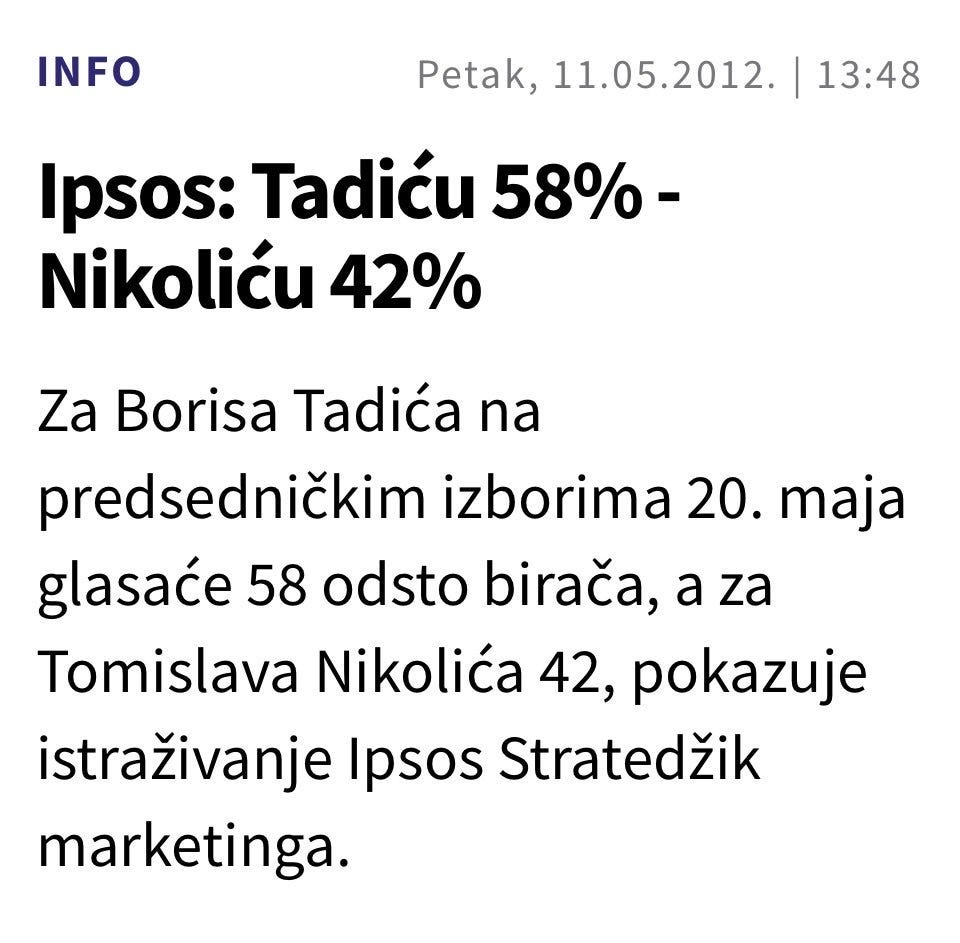
Independent pollsters like CRTA show SL with a significant lead, with the latest poll from July indicating that SL has 44.9% popular support, while SNS has just 35.7%. Government-controlled media show SNS ahead. Meanwhile, the latest Ipsos poll, released two days ago, gave SNS 47% of the vote and SL 40%. However, some were quick to point out that Ipsos had been very wrong in Serbia before. In 2012, Ipsos had former President Boris Tadić polling at 58% of the vote and SNS’s Tomislav Nikolić with just 42% on the eve of the presidential election, which was held on the same day as the parliamentary election. Of course, SNS went on to win and Nikolić became president. So the polls cannot always be trusted.
A Note on Parties vs Lists
Since there might be some confusion, in Serbia voters select lists of parliamentary candidates rather than individual candidates, and these lists have their own names. For example, the SNS “list” (naturally number 1 on the ballot) is called “Aleksandar Vučić-United Serbia”, the SPS list is, quite hilariously, “Factor of Stability!” (2), and the Student List speaks (3) for itself.
Minorities and Serbia’s “Managed Democracy”
Regardless of what the divided polls say, we are likely looking at a tight contest. Even if SL technically wins the most votes, Vučić could still try to form a government with his longtime junior coalition partner the Socialist Party of Serbia (SPS), and a slew of minority parties–many of which are widely suspected to have been created by the state, or to be in cahoots with Vučić. To clarify this point: Political parties in Serbia require a minimum of 3% of the vote to enter parliament, but national minority parties need just 0.4%. As such, there are nine sub-threshold “minority” lists, most of which Vučić hopes to use to pad a theoretical SNS-led coalition with later on. While there are real minority lists representing Bosniaks in Sandžak and Albanians (Albanian List) in Presevo Valley, there are also several lists with highly questionable claims to “minority status”.
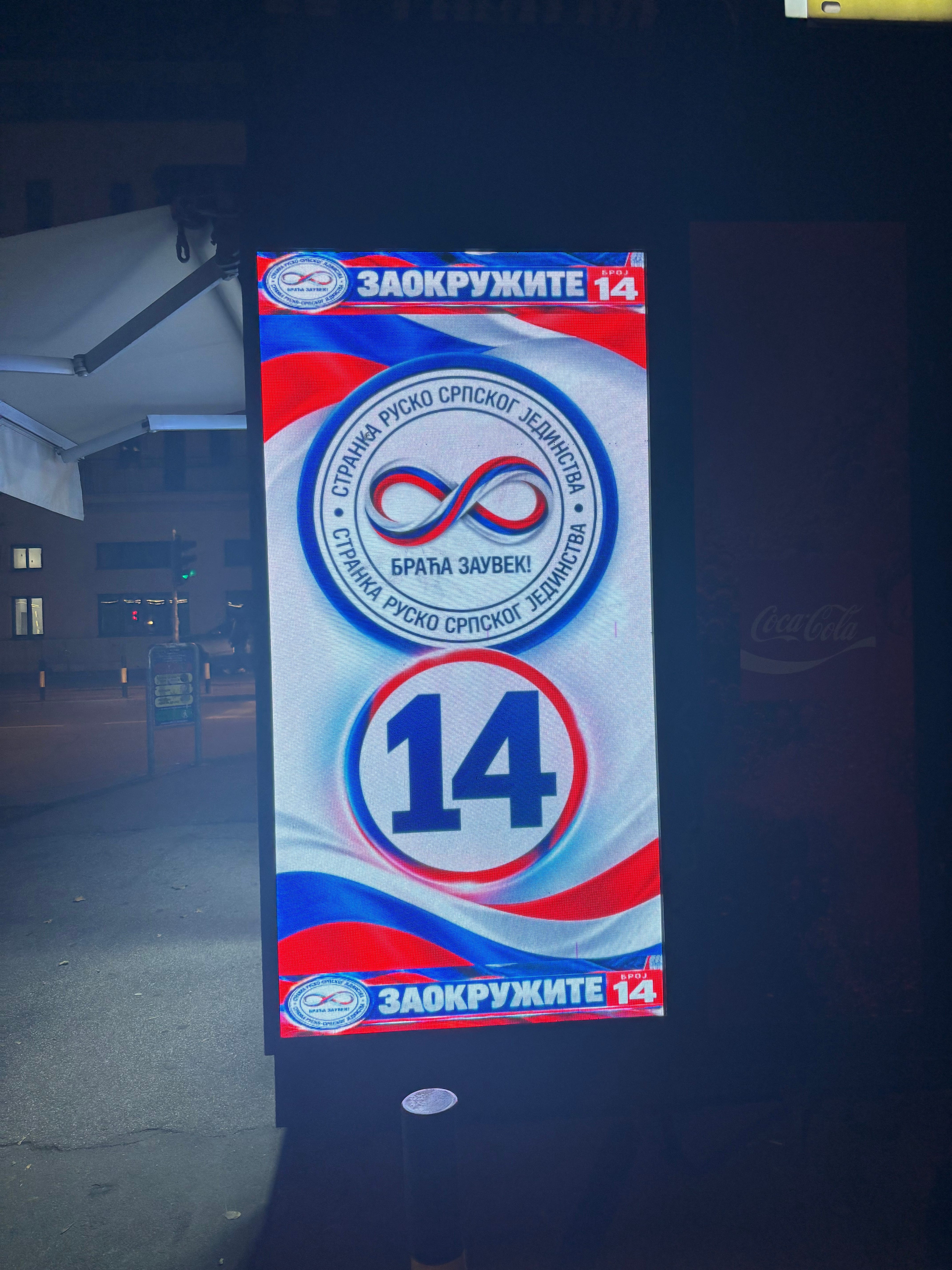
For example, there are two “Russian” minority lists, “The Russian Party-Serbia in BRICS”, and the “Party of Russian-Serbian Unity–Russia and Serbia Brothers Forever”. (As one friend observed, “that’s an electoral ‘Russian’ list whose last common ancestor with an actual Russian was in the 5th century”). There is also a Vučić-stooge “Slovak” list, “Mother Serbia – Gruda”. And there is also a suspicious joint Bosniak and “Greek” list that appears to have exactly one Greek man from Belgrade on it, while the rest of the names are Serbian. The Alliance of Vojvodina Hungarians is heavily tied to Vučić as well. All of this is a fantastic demonstration of the way the multiparty system has been “gamed” by leaders like Vučić. While retaining all the formal features of a multiparty democracy, many of the smaller parties are not in fact independent; in some cases, they have actually been created by the ruling party.
Support from Brands
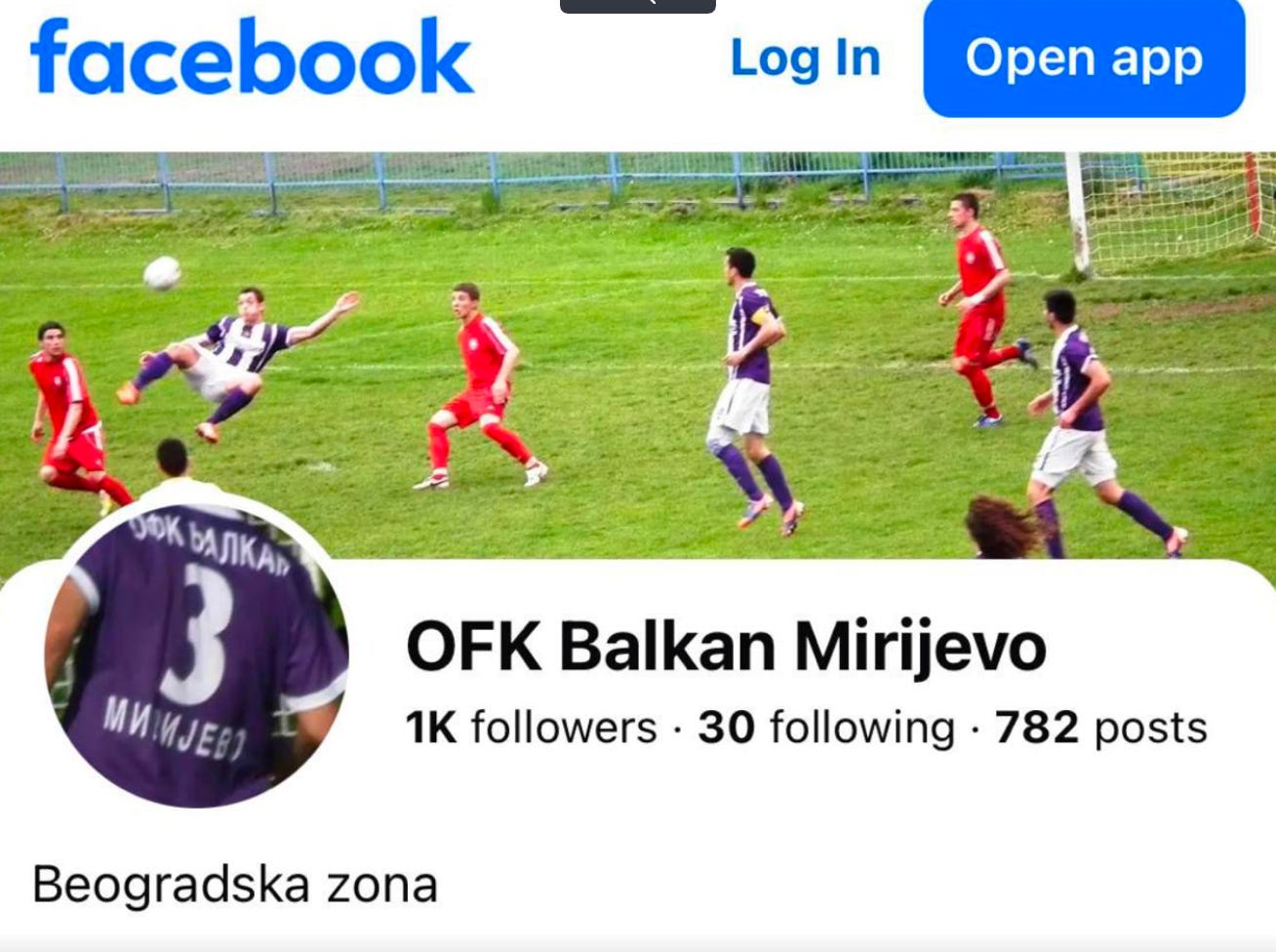
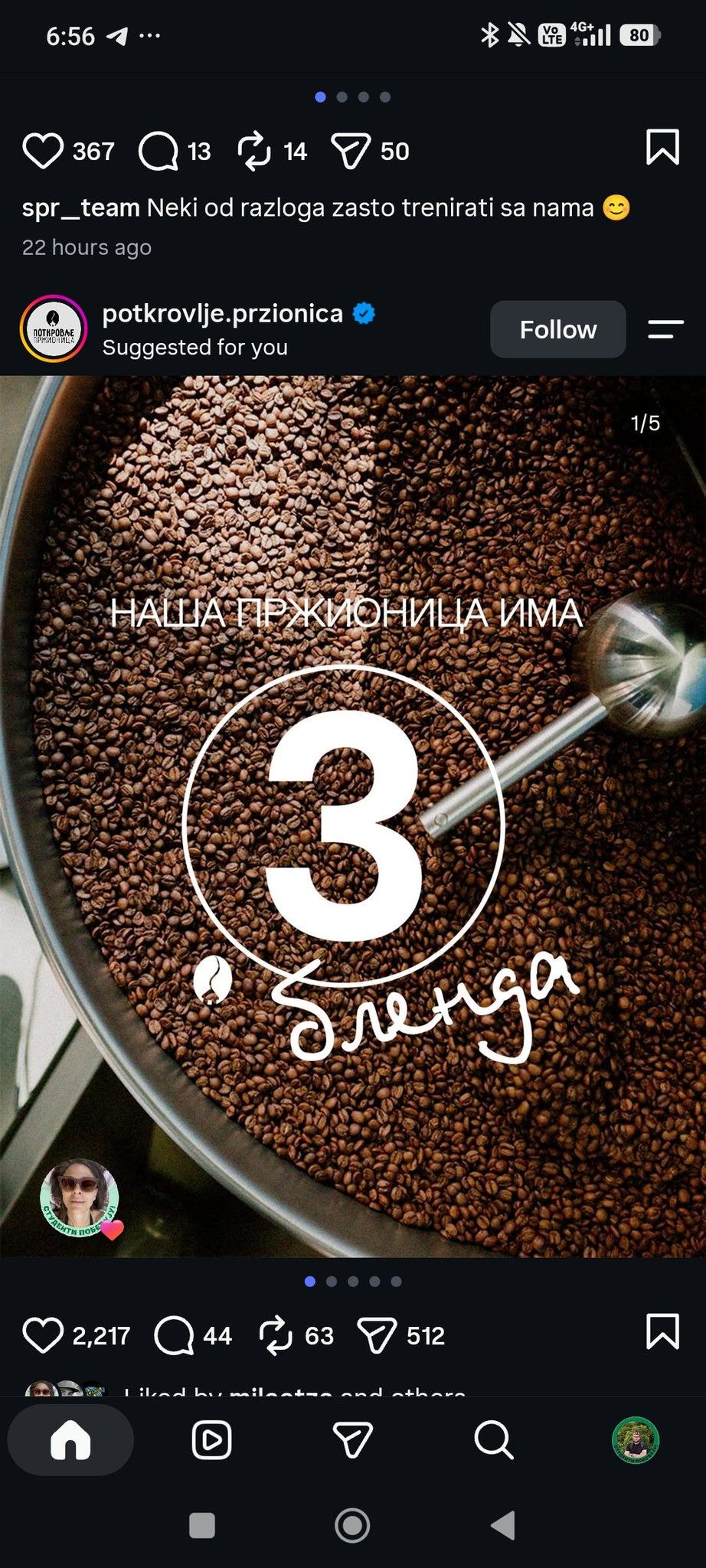
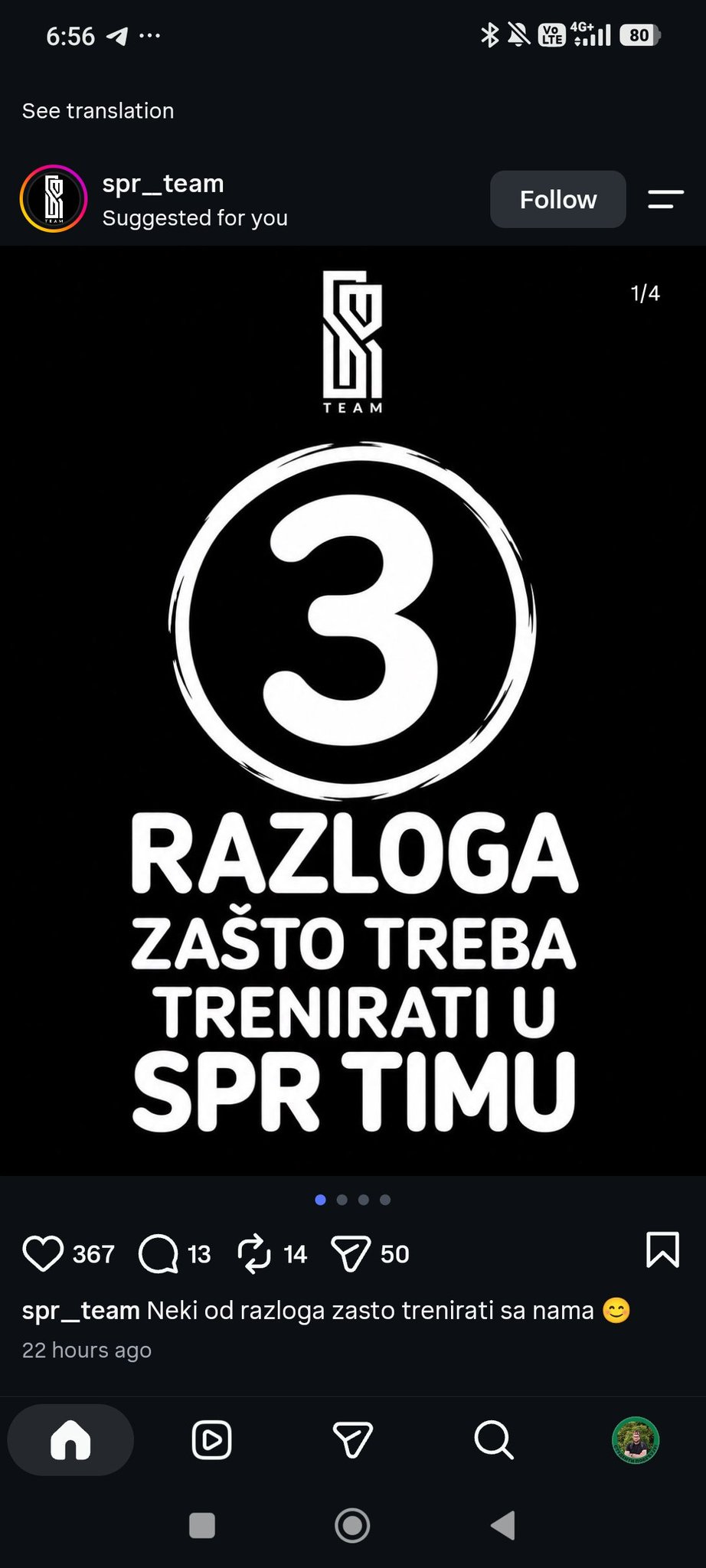
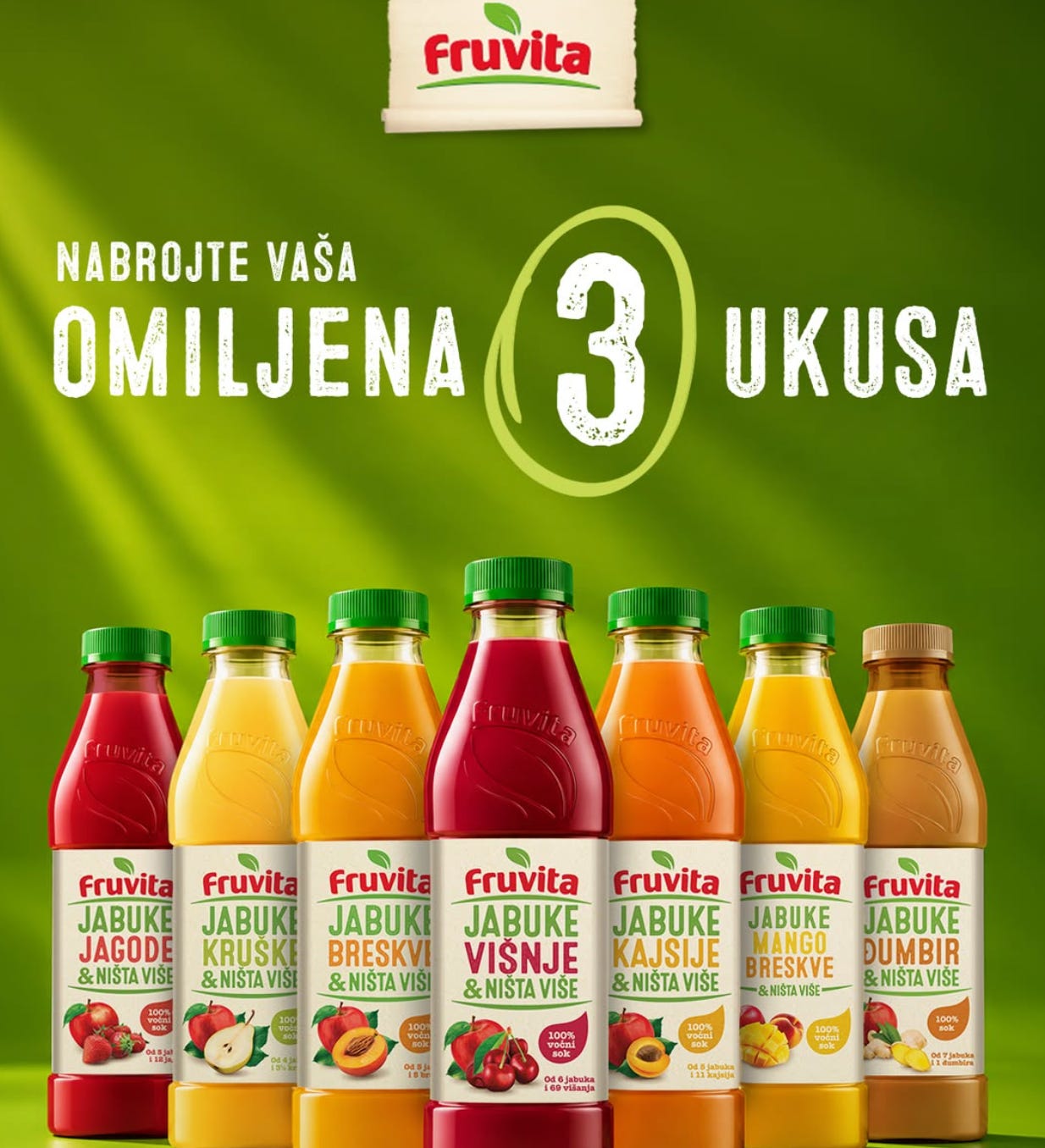
The breadth of support for Studentska Lista is honestly astonishing, and I haven’t seen anything quite like it in Serbian politics. Even popular Serbian brands are openly backing SL in advertisements. Here’s Maxi Serbia, one of the largest grocery chains, promoting number “3” (SL is number 3 on the ballot):

FK Balkan Mirijevo, a football club in Belgrade:
A coffee roastery:
A health and fitness company:
The Serbian beverage company Fruvita:
More coming soon…if you don’t want to miss anything consider becoming a paid subscriber today!